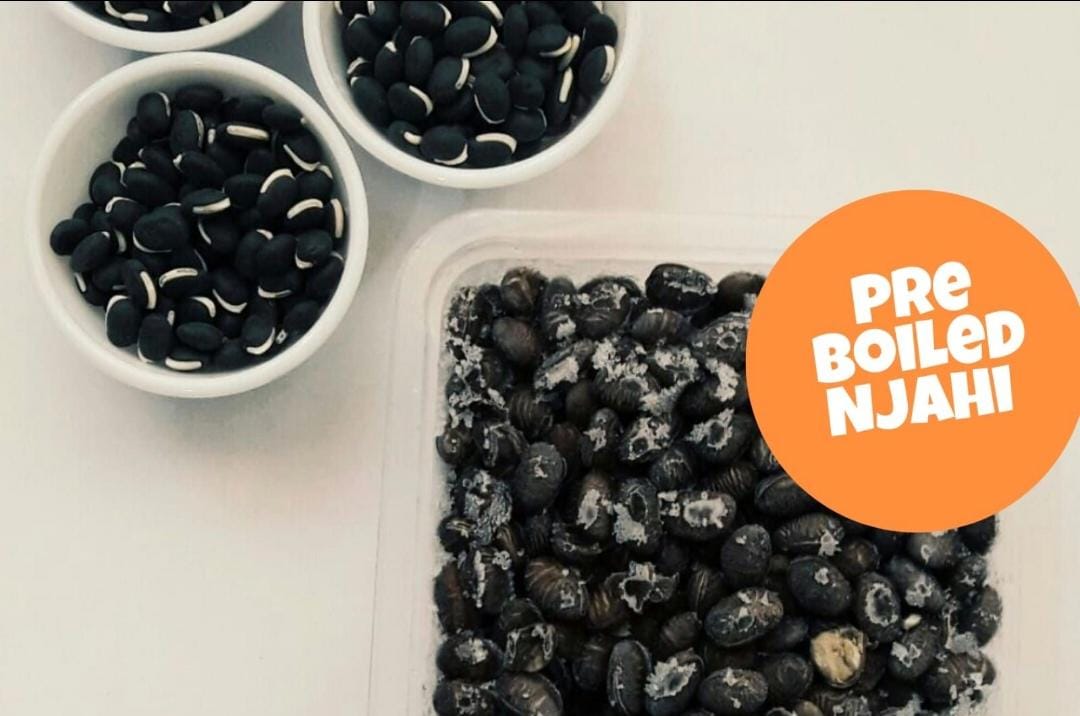
Njahi (also known as hyacinth beans or lablab beans) is a traditional Kenyan legume valued for its rich, earthy flavor and deep nutritional profile. Dark in color and robust in taste, Njahi is commonly used in stews and paired with staples like rice or chapati, offering both substance and nourishment in every serving.
From a nutritional perspective, Njahi stands out as a dense source of plant-based protein, complex carbohydrates, and dietary fiber—making it particularly effective for sustained energy, satiety, and overall metabolic health.
Nutritional value per 100g (cooked):
Calories: 132 kcal
Protein: 8.3 g
Carbohydrates: 23.0 g
Dietary Fiber: 8.0 g
Fat: 0.5 g
Njahi also delivers a strong range of essential micronutrients that support key bodily functions:
Iron: 2.0 mg (supports oxygen transport and energy levels)
Magnesium: 45 mg (supports muscle and nerve function)
Potassium: 410 mg (supports heart health and fluid balance)
Folate (Vitamin B9): 155 mcg (essential for cell repair and growth)
Zinc: 0.8 mg (supports immune health)
Calcium: 50 mg (supports bone strength)
For those who prefer a deeper nutritional breakdown—the macro enthusiasts and detail-focused planners—Njahi also provides a valuable amino acid contribution. While not a complete protein on its own, it plays an important role in meeting daily amino acid needs:
Amino acid profile per 100g (cooked, approx.):
Leucine: 0.60 g
Lysine: 0.58 g
Isoleucine: 0.32 g
Valine: 0.38 g
Phenylalanine: 0.42 g
Threonine: 0.28 g
Methionine: 0.09 g
When paired with grains such as maize or rice, Njahi contributes to a complete protein intake.
With Nairobeans, Njahi becomes the easiest and fastest way to cook beans in your kitchen, bringing a traditionally time-intensive legume into your everyday routine with ease and efficiency.