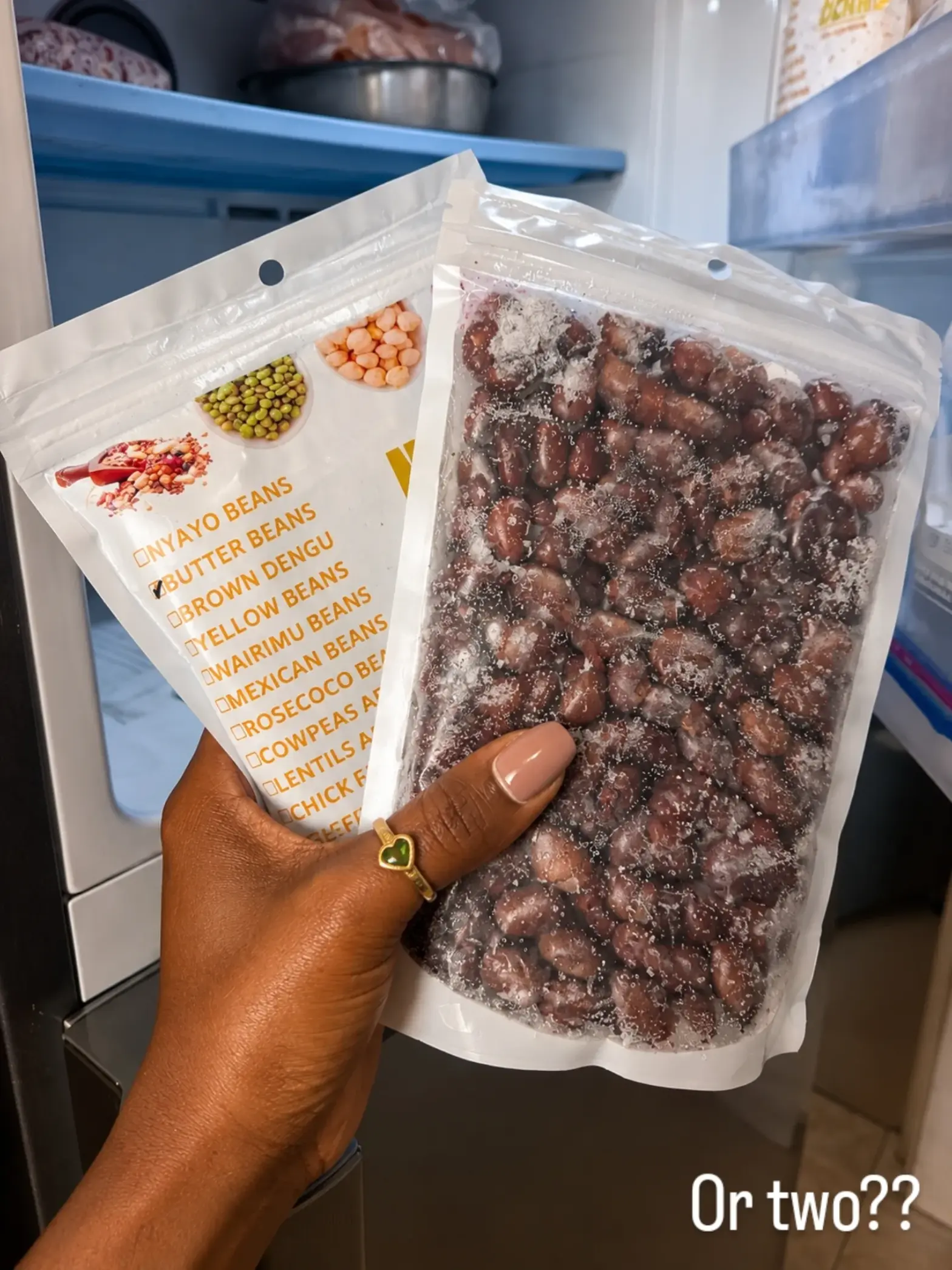
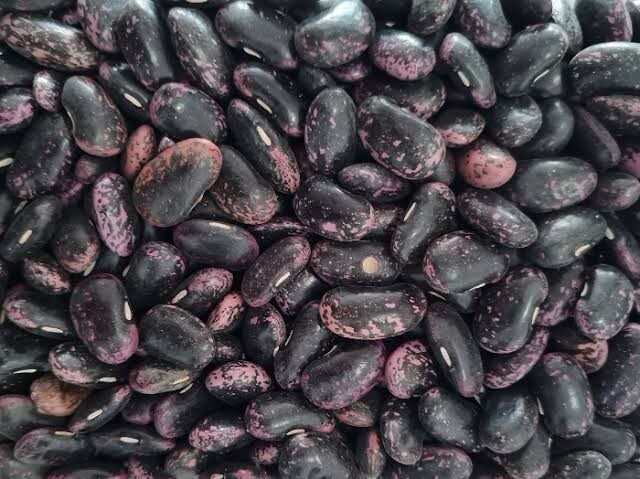
Black butter beans are a rich, hearty legume known for their smooth, creamy texture and deep, earthy flavor. Larger than most beans and naturally satisfying, they are well-suited for stews, coconut-based dishes, or as a standalone protein component in balanced meals.
Nutritionally, black butter beans offer a well-rounded profile of plant-based protein, complex carbohydrates, and dietary fiber—supporting sustained energy release, digestive health, and overall satiety.
Nutritional value per 100g (cooked):
Calories: 127 kcal
Protein: 8.7 g
Carbohydrates: 22.8 g
Dietary Fiber: 7.0 g
Fat: 0.4 g
They also provide a range of essential micronutrients that contribute to key physiological functions:
Iron: 2.1 mg (supports oxygen transport in the blood)
Magnesium: 43 mg (supports muscle and nerve function)
Potassium: 508 mg (supports heart function and fluid balance)
Folate (Vitamin B9): 145 mcg (important for cell repair and formation)
Zinc: 0.9 mg (supports immune function)
Phosphorus: 140 mg (supports bone health and energy metabolism)
For those who prefer a deeper nutritional lens—the macro enthusiasts and detail-focused trackers—black butter beans also contribute a meaningful amino acid profile:
Amino acid profile per 100g (cooked, approx.):
Leucine: 0.66 g
Lysine: 0.64 g
Isoleucine: 0.36 g
Valine: 0.41 g
Phenylalanine: 0.46 g
Threonine: 0.31 g
Methionine: 0.10 g
While not a complete protein on their own, combining them with grains such as rice or maize supports a complete amino acid intake.
With Nairobeans, black butter beans become the easiest and fastest way to cook beans in your kitchen, making it simple to enjoy a traditionally slow-cooking legume with speed and consistency.