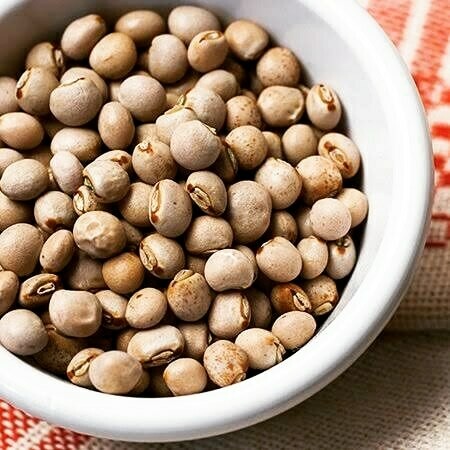
Pigeon peas (mbaazi) are a staple legume across coastal and inland cuisines, valued for their slightly nutty flavor and firm texture that holds well in stews, coconut curries, and rice-based dishes. They are particularly well known in dishes like mbaazi wa nazi, where their richness pairs well with aromatic ingredients.
From a nutritional perspective, pigeon peas provide a balanced combination of plant-based protein, complex carbohydrates, and dietary fiber—supporting sustained energy, digestive health, and satiety.
Nutritional value per 100g (cooked):
Calories: 116 kcal
Protein: 7.2 g
Carbohydrates: 20.7 g
Dietary Fiber: 7.5 g
Fat: 0.4 g
They also offer a strong micronutrient profile essential for overall health and proper body function:
Iron: 1.5 mg (supports oxygen transport and energy levels)
Magnesium: 45 mg (supports muscle and nerve function)
Potassium: 384 mg (supports heart health and fluid balance)
Folate (Vitamin B9): 110 mcg (essential for cell repair and formation)
Zinc: 0.8 mg (supports immune function)
Phosphorus: 120 mg (supports bone health and energy metabolism)
For those who prefer a deeper level of nutritional detail—the macro enthusiasts and precision-focused planners—pigeon peas also contribute a valuable amino acid profile:
Amino acid profile per 100g (cooked, approx.):
Leucine: 0.52 g
Lysine: 0.55 g
Isoleucine: 0.28 g
Valine: 0.33 g
Phenylalanine: 0.38 g
Threonine: 0.25 g
Methionine: 0.08 g
While not a complete protein on their own, combining pigeon peas with grains such as rice or maize supports a complete amino acid profile.
With Nairobeans being the easiest and fastest way to cook beans in your kitchen, your mbaazi will be ready in minutes—perfectly cooked, convenient, and ready to complement your meal without the usual preparation time.