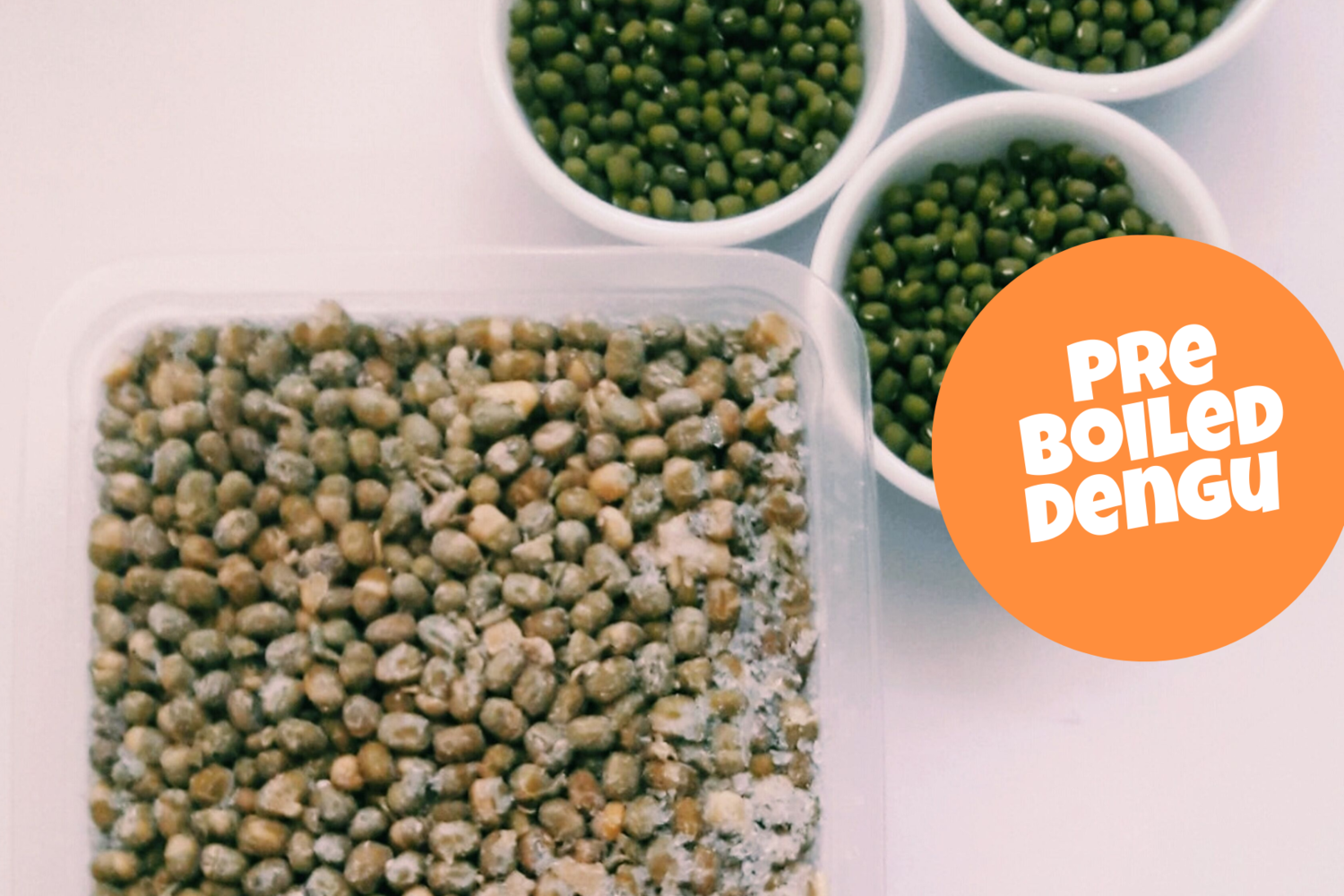
Green grams (mung beans) are a light, versatile legume known for their mild flavor and quick adaptability across a wide range of dishes—from traditional stews to lighter soups and salads. Their soft texture when cooked makes them especially suitable for everyday meals that prioritize both nutrition and digestibility.
From a nutritional perspective, green grams provide an efficient balance of plant-based protein, complex carbohydrates, and dietary fiber—supporting sustained energy, muscle maintenance, and digestive health.
Nutritional value per 100g (cooked):
Calories: 105 kcal
Protein: 7.0 g
Carbohydrates: 19.0 g
Dietary Fiber: 7.6 g
Fat: 0.4 g
They are also rich in essential micronutrients that play key roles in overall health:
Iron: 1.4 mg (supports oxygen transport and energy levels)
Magnesium: 48 mg (supports muscle and nerve function)
Potassium: 266 mg (supports heart health and fluid balance)
Folate (Vitamin B9): 159 mcg (essential for cell repair and formation)
Zinc: 0.8 mg (supports immune function)
Phosphorus: 99 mg (supports bone health and energy metabolism)
For those who prefer a deeper nutritional breakdown—the macro enthusiasts and detail-oriented nutrition trackers—green grams also provide a meaningful amino acid profile:
Amino acid profile per 100g (cooked, approx.):
Leucine: 0.56 g
Lysine: 0.52 g
Isoleucine: 0.30 g
Valine: 0.34 g
Phenylalanine: 0.38 g
Threonine: 0.24 g
Methionine: 0.08 g
While not a complete protein on their own, combining them with grains such as rice or maize supports a complete amino acid intake.
With Nairobeans being the easiest and fastest way to cook beans in your kitchen, your green grams will be ready in minutes—convenient, nutritious, and ready to fit seamlessly into your daily meals.