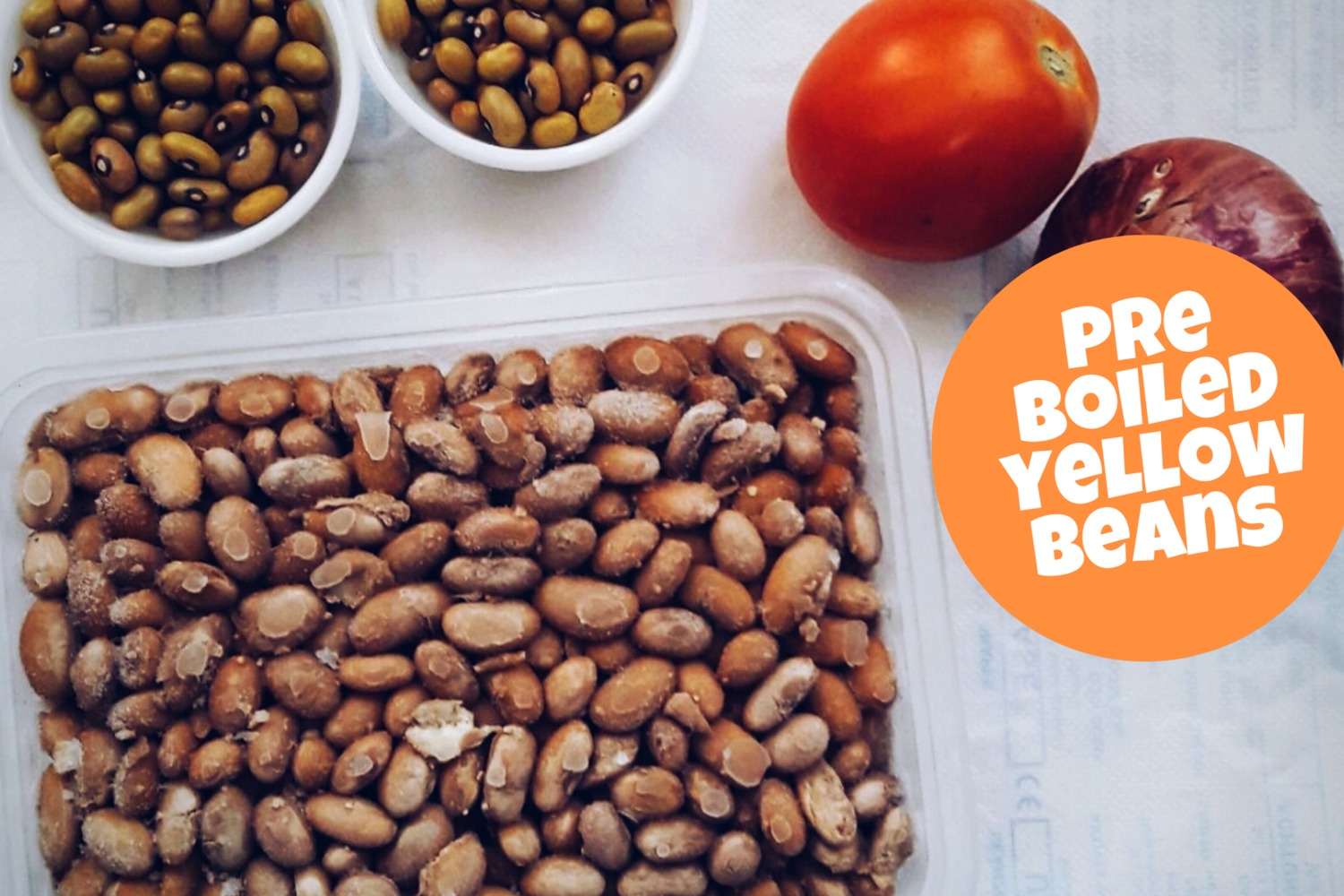
Yellow beans are a vibrant, mild-flavored legume prized for their soft texture and versatility in a variety of dishes—from light stews and curries to hearty mixed bean salads. Their subtle sweetness, smooth consistency, and gentle nature make them a favorite among those with sensitive stomachs, offering nutrition without discomfort.
From a nutritional perspective, yellow beans provide a balanced mix of plant-based protein, complex carbohydrates, and dietary fiber, supporting sustained energy, digestive health, and satiety.
Nutritional value per 100g (cooked):
Calories: 128 kcal
Protein: 8.5 g
Carbohydrates: 24.0 g
Dietary Fiber: 7.5 g
Fat: 0.5 g
Yellow beans are also rich in key micronutrients that support overall health:
Iron: 2.0 mg (supports oxygen transport and energy production)
Magnesium: 46 mg (supports muscle and nerve function)
Potassium: 400 mg (supports heart health and fluid balance)
Folate (Vitamin B9): 150 mcg (essential for cell repair and growth)
Zinc: 0.9 mg (supports immune function)
Phosphorus: 135 mg (supports bone health and energy metabolism)
For those interested in deeper nutritional detail—the macro enthusiasts and precision-focused planners—yellow beans also provide an informative amino acid profile:
Amino acid profile per 100g (cooked, approx.):
Leucine: 0.62 g
Lysine: 0.60 g
Isoleucine: 0.34 g
Valine: 0.39 g
Phenylalanine: 0.43 g
Threonine: 0.29 g
Methionine: 0.09 g
While not a complete protein on their own, pairing them with grains such as maize or rice provides a complete amino acid intake.
With Nairobeans being the easiest and fastest way to cook beans in your kitchen, your yellow beans will be ready in minutes—perfectly cooked, gentle on the stomach, and ready to enhance any meal.