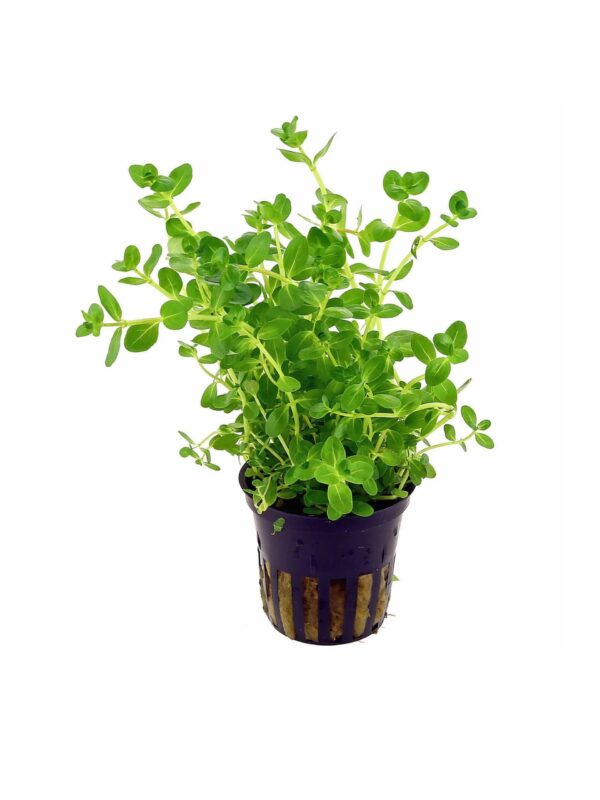
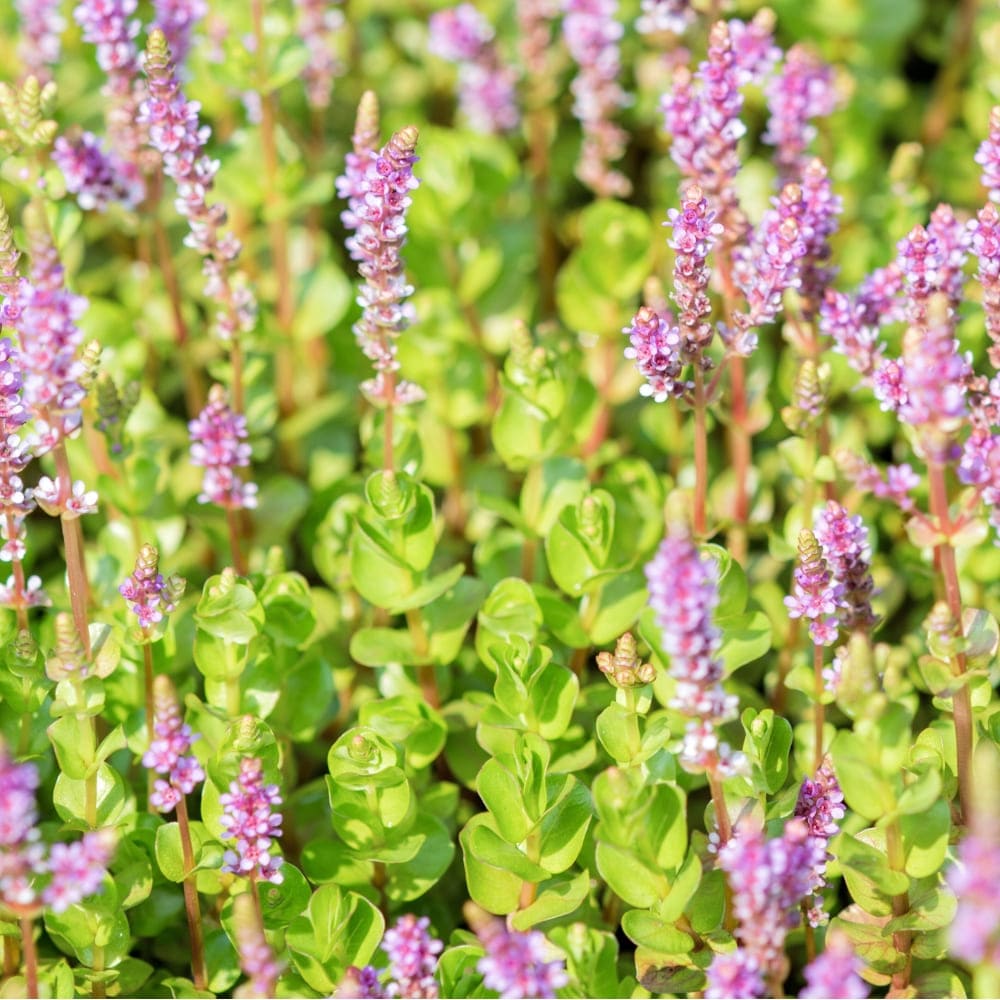
Rotala rotundifolia (commonly known as Dwarf Rotala or Roundleaf Toothcup) is one of the most popular, versatile, and beginner-friendly stem plants in the aquascaping hobby. Native to Southeast Asia, it is highly valued for its rapid growth and its remarkable ability to shift colour from vibrant green to striking orange, pink, or deep red depending on aquarium conditions.
The "Transformer" Nature
The scientific name rotundifolia translates to "the plant with the round leaves," which frequently confuses beginners. This plant is a true transformer:
• Emersed Form (Grown above water): When cultivated in commercial plant nurseries out of water, it grows round, circular green leaves and produces small, pale pink flowers.
• Submerged Form (Grown below water): Once transitioned into an aquarium, the newly adapted leaves become long, narrow, thin, and lanceolate.
Ideal Growth Parameters
• Height: 20 to 80 cm (ideal for midground and background placement)
• Temperature: 20°C to 28°C (can tolerate 4°C to 32°C temporarily)
• pH Range: 5.0 to 8.0 (prefers slightly acidic, soft water)
• Water Hardness: 1–20 dGH; 1–16 dKH
Low-Tech vs. High-Tech Care
• Low-Tech Setup: Rotala rotundifolia will survive and grow without carbon dioxide (CO₂) injection. However, the growth will be slower, leaves will stay primarily green or light orange, and the plant will grow as thin, single vertical stems rather than a bush.
• High-Tech Setup: Adding CO₂ injection and moderate-to-high lighting triggers intense branching. This allows you to shape the plant into dense, compact hedges.
How to Unlock Intense Red Colours
Achieving the deep red or wine-red hues depicted in professional aquascapes relies on a specific biological trigger rather than adding iron:
1. Strong Lighting: High-intensity, full-spectrum lighting (ideally 100+ µmols of PAR) acts like a "sun tan" for the plant, forcing it to produce red pigments.
2. Nitrate Limitation: For classic variants (like H'Ra or Colorata), keeping water-column nitrates deliberately low (around 5–10 ppm) triggers severe anthocyanin production, making the new growth turn dramatically red.
3. The Shortcut: If you want a red plant without limiting nutrients, seek out the Tropica Rotala 'Blood Red' variant, which stays vibrant red even under high nitrate levels.
Pruning and Propagation
Because it grows exceptionally fast, the top leaves will quickly block out light from the bottom leaves, causing the base of the stem to lose foliage. Regular trimming just above a leaf node forces the plant to shoot out multiple side buds, creating a bushy look. To propagate, simply take the topped cuttings, remove the lower leaves, and push them directly into the substrate.