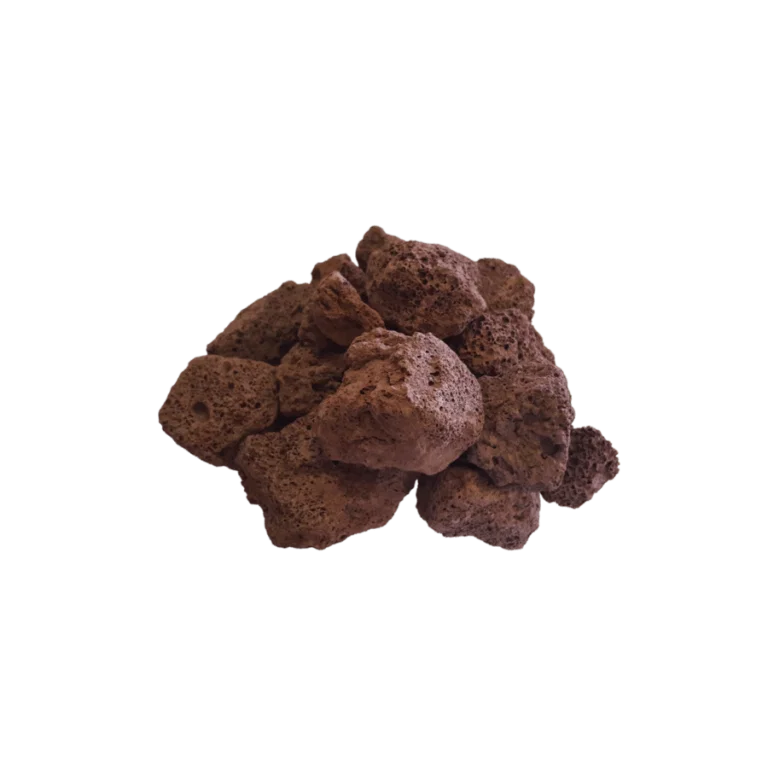
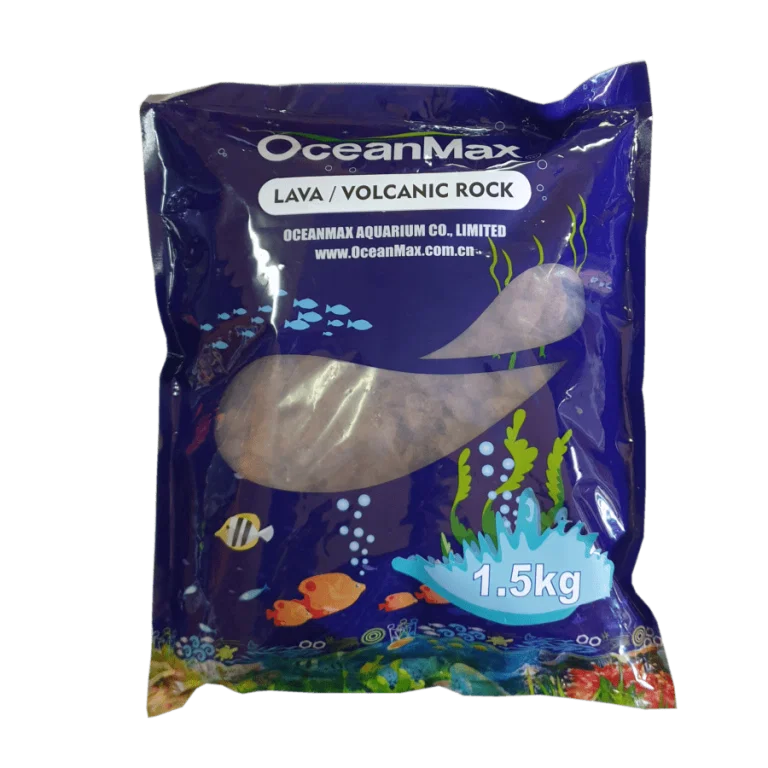
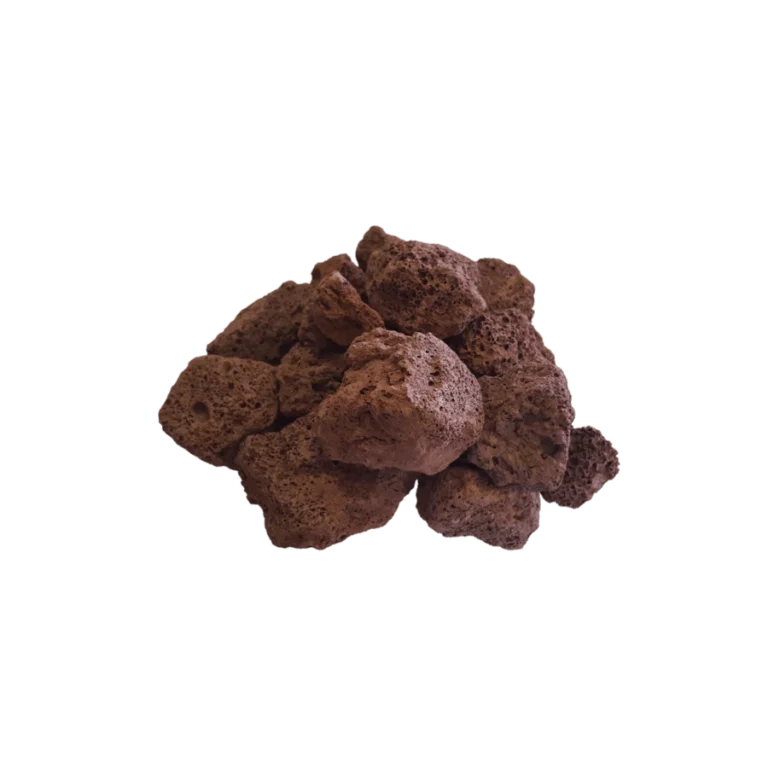
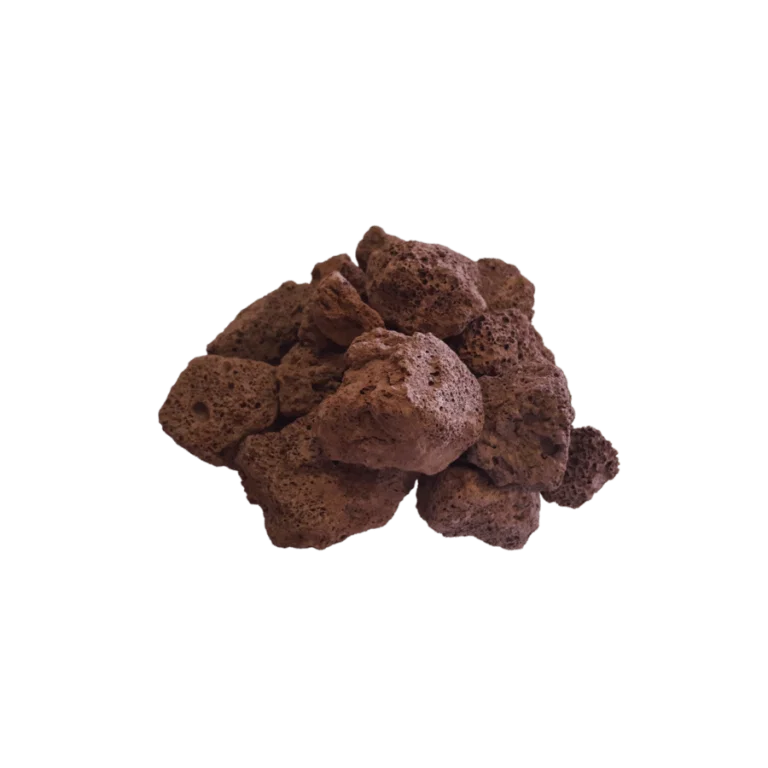
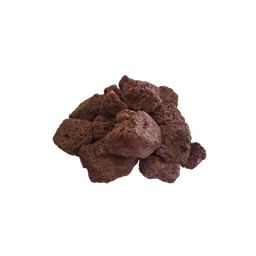
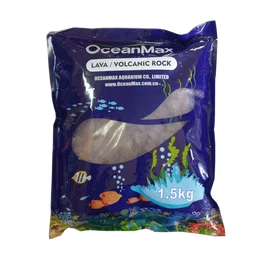
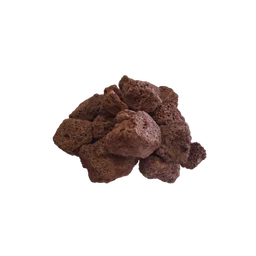
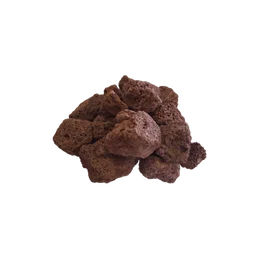
Porous Volcanic Rock is ideal to house and cultivate beneficial bacteria in your aquarium or pond.
Best for use under your aquarium soil level to prevent Anerobic bacteria forming
Can also be use as ornamental blocks to build interesting rock structures inside your aquarium.
Lava rock benefits aquariums by providing an excellent surface for beneficial bacteria, which improves biological filtration and water quality, and by serving as a natural habitat and stable anchor for plants and fish. Its porous structure helps break down waste, and its inert nature does not alter water chemistry, while its natural appearance enhances aquascapes.
Biological filtration and water quality
Supports beneficial bacteria: The highly porous surface of lava rock creates an ideal environment for beneficial bacteria to colonize, which is crucial for the nitrogen cycle.
Breaks down waste: These bacteria help break down harmful ammonia and nitrites into less toxic nitrates, leading to better water quality.
Natural nitrate removal: In some setups, the porous structure can create an anaerobic environment where denitrifying bacteria convert nitrates into nitrogen and oxygen, further purifying the water.
pH stabilization: Lava rock can help stabilize pH levels in the water, creating a more consistent environment for aquatic life.
Habitat and aquascaping
Plant anchor: Its rough texture provides a secure anchor for plants like anubias, moss, and bucephalandra to root themselves.
Creates a natural habitat: Lava rock provides hiding spots and shelters for fish and invertebrates, and its ability to stack well allows for the creation of caves and other natural-looking structures.
Aesthetically pleasing: It adds a natural, rugged, and earthy aesthetic to the aquarium, improving the overall look of the aquascape.
Other advantages
Inert and long-lasting: Unlike some other rocks, lava rock is inert, meaning it won't leach harmful substances or alter water chemistry over time.
Nutrient source: Red varieties can provide a source of iron, a key nutrient for plant growth.
SKU: LR0070