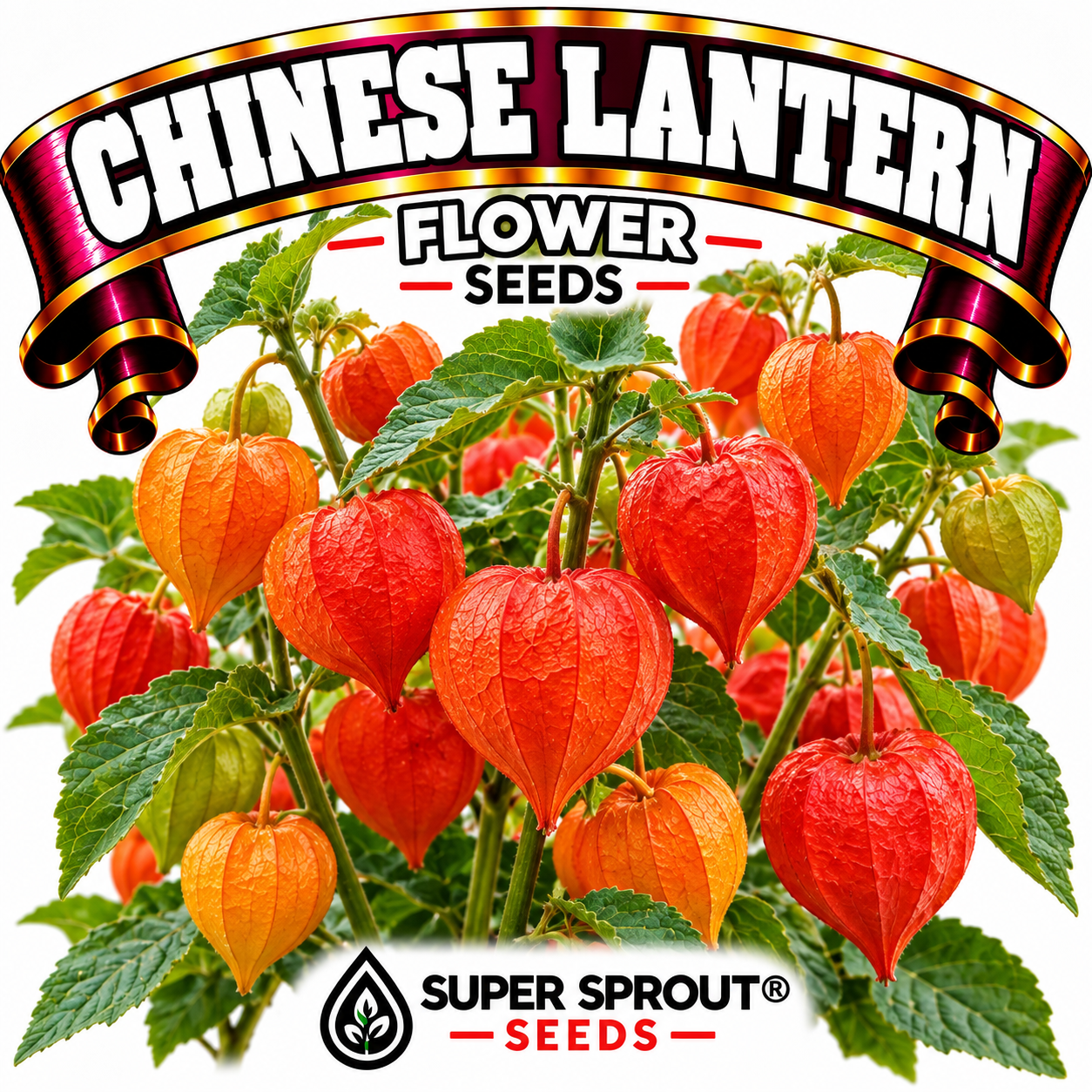
Chinese Lantern (Physalis alkekengi) is a striking ornamental plant known for its bright orange, papery “lantern” husks that encase small berries. These lantern-like calyces appear in late summer and autumn, adding bold color to gardens, borders, and dried floral arrangements. Easy to grow and hardy in many climates, it spreads readily and thrives in well-drained soil with full sun to partial shade. Ideal for decorative landscaping and seasonal displays.
Medicinal Uses (Traditional & Reported)
I’m not fully certain about the strength of clinical evidence here—most uses come from traditional medicine rather than strong modern trials.
Historically, Physalis alkekengi has been used in parts of Asia and Europe for:
Diuretic effects – to help increase urine flow
Anti-inflammatory properties – used for swelling or irritation
Liver and urinary support – in traditional Chinese medicine
Fever reduction – sometimes used in herbal preparations
Sore throat relief – berries occasionally used in folk remedies
Some studies suggest the plant contains compounds like physalins, which may have anti-inflammatory or antimicrobial activity, but these findings are mostly preliminary.
Warnings & Safety
This part is important:
Unripe berries and plant parts are toxic
They contain alkaloids similar to those in nightshade plants and can cause nausea, vomiting, and other symptoms.
Only fully ripe berries are considered edible
Even then, consumption should be moderate.
Not recommended for self-medication
Especially for pregnant or breastfeeding individuals.
Toxic to pets
Dogs and cats can be affected if they ingest the plant.
Invasive growth habit
It spreads aggressively via underground rhizomes and can take over garden space if not controlled.
Sources & References
European Medicines Agency (EMA): Herbal substance assessments (general Physalis genus references)
“Plants of the World Online” – Royal Botanic Gardens, Kew
Traditional Chinese Medicine Materia Medica references (general herbal usage)
Peer-reviewed studies on physalins (e.g., Journal of Ethnopharmacology, Phytochemistry)
Confidence level: 6/10 (medicinal claims rely largely on traditional use and limited clinical validation)