🍆 JAPANESE EGGPLANT – HEIRLOOM SEEDS 🍆
Discover the delicious flavour of traditional🍆 JAPANESE EGGPLANT – HEIRLOOM SEEDS 🍆
15 Seeds per Pack | Super Sprout Seeds
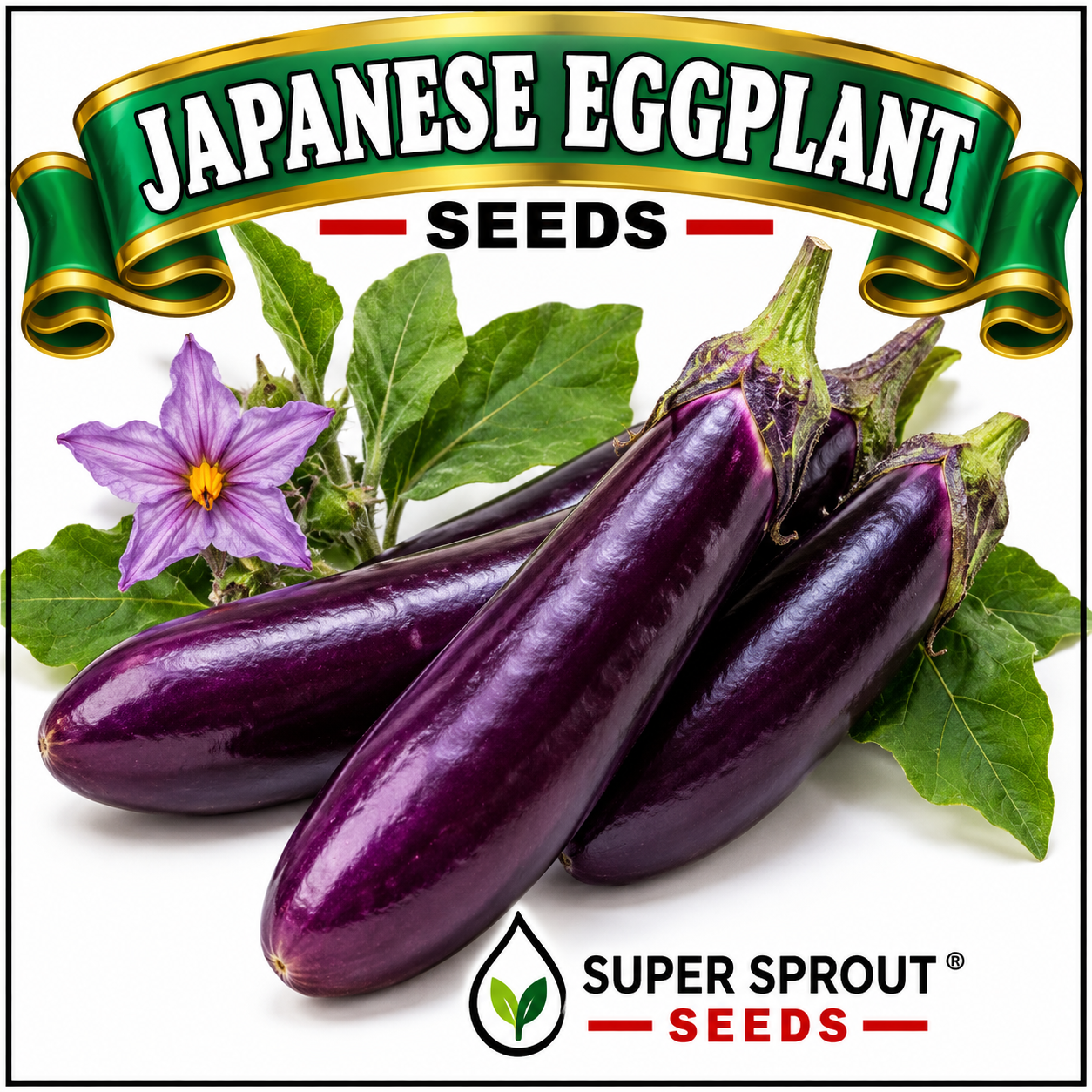
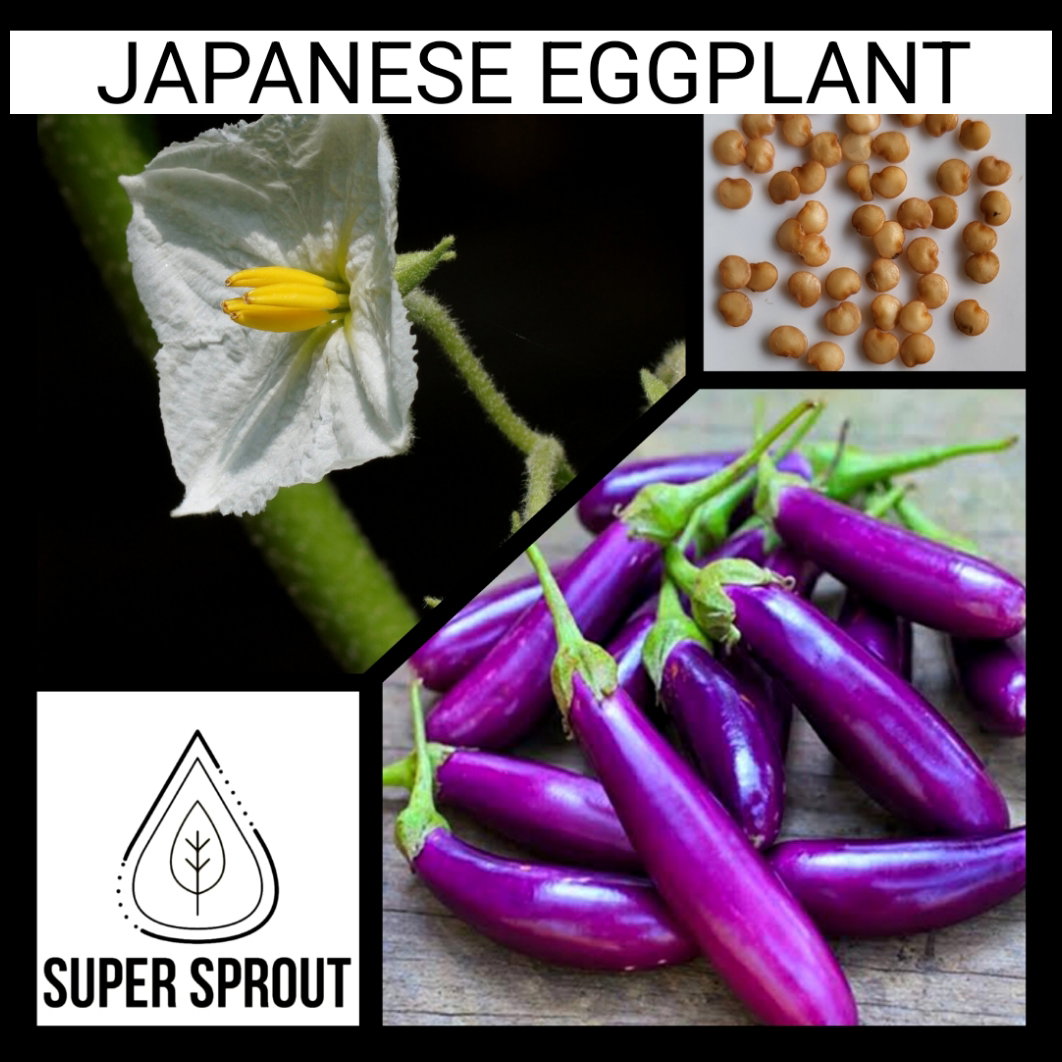
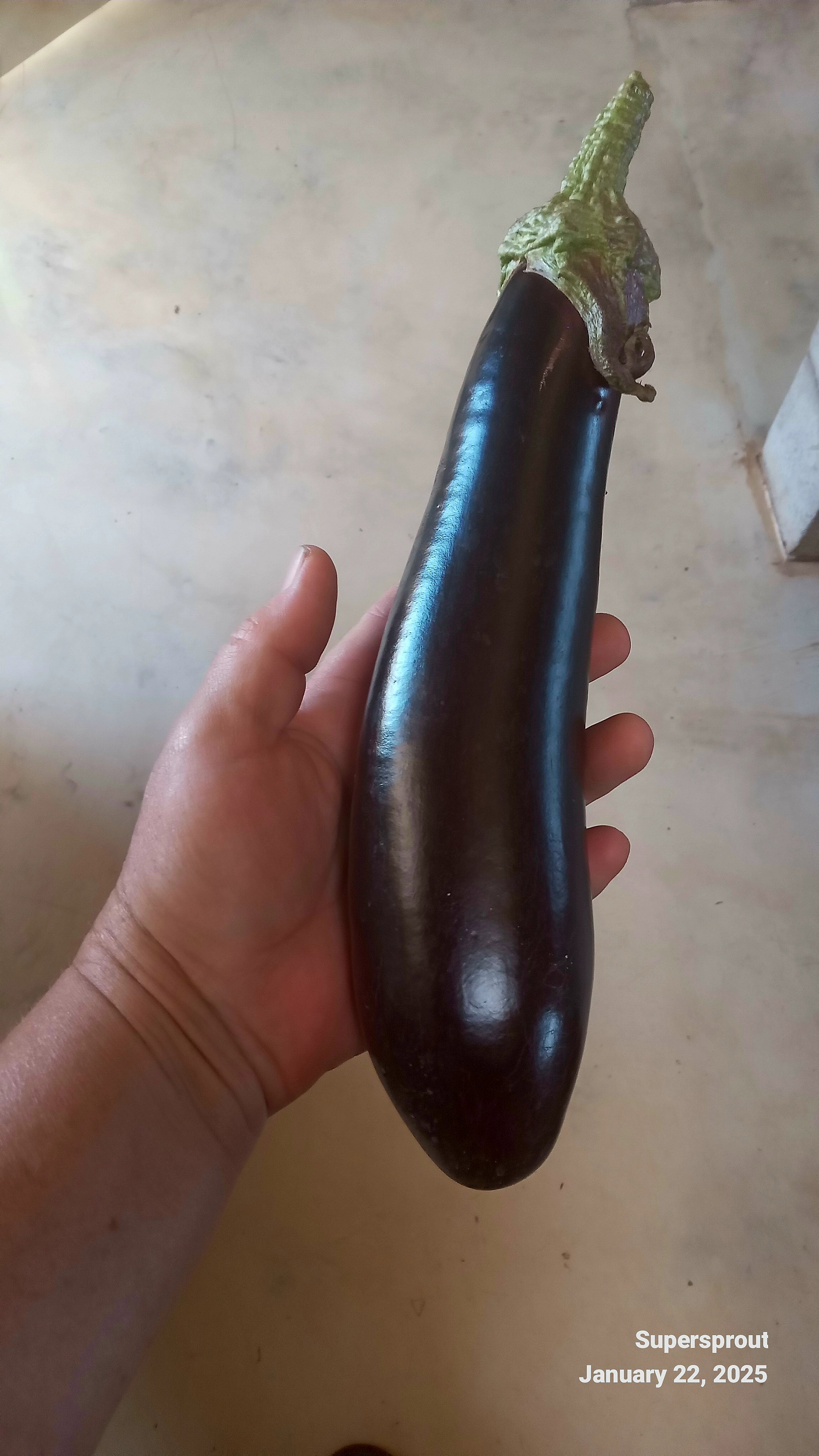
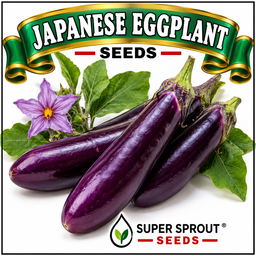
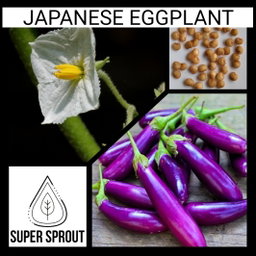
Discover the delicious flavour of traditional Japanese Eggplant! This beautiful heirloom variety produces glossy, deep-purple, elongated to pear-shaped fruits with tender skin, creamy flesh and a mild, delicate flavour.
Japanese Eggplant is prized for its excellent cooking qualities, producing tender fruits with fewer seeds when harvested young. Perfect for grilling, roasting, stir-fries, curries, pickling and homemade eggplant relish.
🌱 Why Grow Japanese Eggplant?
Traditional heirloom variety
Beautiful, glossy purple fruits
Tender skin and mild, delicious flavour
Productive plants with regular harvesting
Excellent for home gardens and raised beds
Open-pollinated and non-GMO
Suitable for warm South African growing conditions
🌿 Organically Grown Seeds
🇿🇦 Climatized for South African Gardens
📦 Nationwide Delivery Available
🌐 Order Online:
https://supersprout.linkPLANT TODAY. GROW SOMETHING EXTRAORDINARY.

🌱 GROWING INSTRUCTIONS – JAPANESE EGGPLANT
Botanical Name: Solanum melongena
Plant Type: Warm-season annual crop, perennial in frost-free conditions
☀️ Sunlight: Full sun, preferably 6–8 hours daily.
🌡️ Best Germination Temperature: 24–30°C.
🌱 Sowing Depth: 5–10 mm.
⏳ Germination: Approximately 7–14 days under favourable conditions. Cooler temperatures may delay germination.
📏 Plant Spacing: 45–60 cm apart, with 75–90 cm between rows.
🌿 Growing Season in South Africa: Sow in spring and summer once temperatures are consistently warm. In cooler regions, start seeds indoors 6–8 weeks before the last expected frost.
STEP 1 – SOWING
Fill seed trays or small pots with a fine, well-draining seed-starting mix.
Sow seeds 5–10 mm deep and lightly cover with soil.
Water gently and maintain consistent moisture without waterlogging.
Keep trays in a warm location until germination.
STEP 2 – TRANSPLANTING
Transplant seedlings when they have developed 4–6 true leaves and outdoor temperatures are suitable.
Harden seedlings off gradually before planting outdoors.
Choose a sunny position with fertile, compost-enriched, well-draining soil.
STEP 3 – WATERING & FEEDING
Water deeply and regularly, especially during flowering and fruit development.
Apply mulch to retain moisture and suppress weeds.
Feed with compost or a balanced vegetable fertiliser. Avoid excessive nitrogen, which can encourage leafy growth at the expense of fruit.
STEP 4 – PLANT CARE
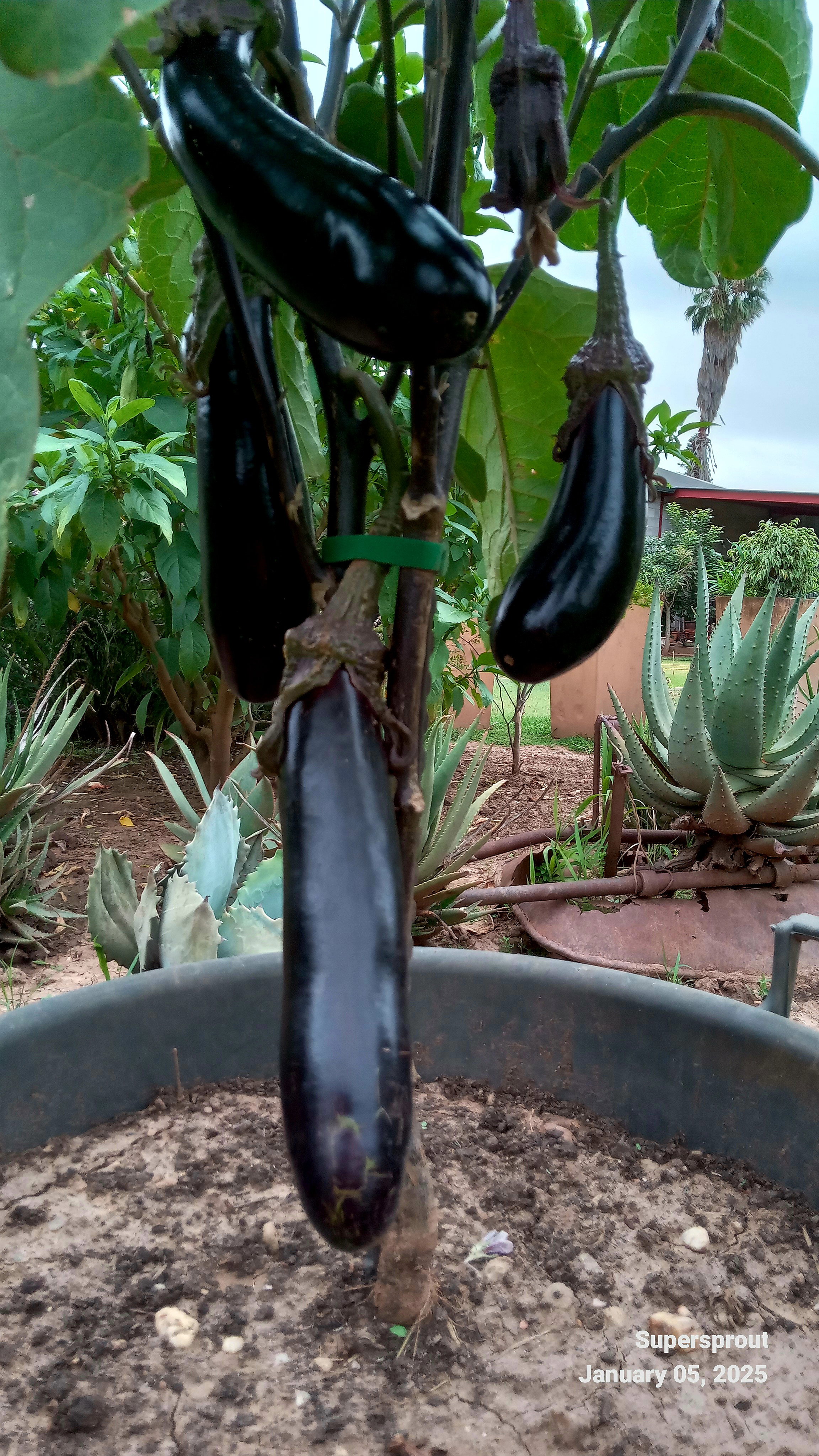
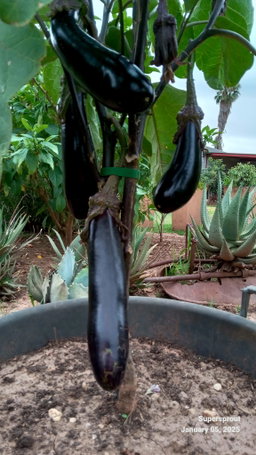
Provide stakes or supports when plants become heavy with fruit.
Protect young plants from frost and strong winds.
Monitor for aphids, flea beetles and red spider mites.
STEP 5 – HARVESTING
🍆 Harvest: Approximately 55–65 days after transplanting under favourable growing conditions, depending on the variety.
Harvest fruits while the skin is glossy, firm and tender.
Cut fruits from the plant using clean pruning shears, leaving a short stem attached.
Harvest regularly to encourage continued fruit production.
🌾 SEED SAVING
Allow selected healthy fruits to mature fully beyond the edible stage until the skin becomes dull and changes colour.
Extract the mature seeds, rinse away pulp and dry thoroughly in a shaded, well-ventilated area before storing.
For seed purity, isolate plants from other eggplant varieties or protect flowers from cross-pollination.
💚 SUPER SPROUT SEEDS
Growing something extraordinary, one seed at a time.
🌐
https://supersprout.link Japanese Eggplant! This beautiful heirloom variety produces glossy, deep-purple, elongated to pear-shaped fruits with tender skin, creamy flesh and a mild, delicate flavour.
Japanese Eggplant is prized for its excellent cooking qualities, producing tender fruits with fewer seeds when harvested young. Perfect for grilling, roasting, stir-fries, curries, pickling and homemade eggplant relish.
🌱 Why Grow Japanese Eggplant?
- Traditional heirloom variety
- Beautiful, glossy purple fruits
- Tender skin and mild, delicious flavour
- Productive plants with regular harvesting
- Excellent for home gardens and raised beds
- Open-pollinated and non-GMO
- Suitable for warm South African growing conditions
🌿 Organically Grown Seeds
🇿🇦 Climatized for South African Gardens
📦 Nationwide Delivery Available
🌐 Order Online:
https://supersprout.linkPLANT TODAY. GROW SOMETHING EXTRAORDINARY.
---
🌱 GROWING INSTRUCTIONS – JAPANESE EGGPLANT
Botanical Name: Solanum melongena
Plant Type: Warm-season annual crop, perennial in frost-free conditions
☀️ Sunlight: Full sun, preferably 6–8 hours daily.
🌡️ Best Germination Temperature: 24–30°C.
🌱 Sowing Depth: 5–10 mm.
⏳ Germination: Approximately 7–14 days under favourable conditions. Cooler temperatures may delay germination.
📏 Plant Spacing: 45–60 cm apart, with 75–90 cm between rows.
🌿 Growing Season in South Africa: Sow in spring and summer once temperatures are consistently warm. In cooler regions, start seeds indoors 6–8 weeks before the last expected frost.
STEP 1 – SOWING
Fill seed trays or small pots with a fine, well-draining seed-starting mix.
Sow seeds 5–10 mm deep and lightly cover with soil.
Water gently and maintain consistent moisture without waterlogging.
Keep trays in a warm location until germination.
STEP 2 – TRANSPLANTING
Transplant seedlings when they have developed 4–6 true leaves and outdoor temperatures are suitable.
Harden seedlings off gradually before planting outdoors.
Choose a sunny position with fertile, compost-enriched, well-draining soil.
STEP 3 – WATERING & FEEDING
Water deeply and regularly, especially during flowering and fruit development.
Apply mulch to retain moisture and suppress weeds.
Feed with compost or a balanced vegetable fertiliser. Avoid excessive nitrogen, which can encourage leafy growth at the expense of fruit.
STEP 4 – PLANT CARE
Provide stakes or supports when plants become heavy with fruit.
Protect young plants from frost and strong winds.
Monitor for aphids, flea beetles and red spider mites.
STEP 5 – HARVESTING
🍆 Harvest: Approximately 55–65 days after transplanting under favourable growing conditions, depending on the variety.
Harvest fruits while the skin is glossy, firm and tender.
Cut fruits from the plant using clean pruning shears, leaving a short stem attached.
Harvest regularly to encourage continued fruit production.
🌾 SEED SAVING
Allow selected healthy fruits to mature fully beyond the edible stage until the skin becomes dull and changes colour.
Extract the mature seeds, rinse away pulp and dry thoroughly in a shaded, well-ventilated area before storing.
For seed purity, isolate plants from other eggplant varieties or protect flowers from cross-pollination.
💚 SUPER SPROUT SEEDS
Growing something extraordinary, one seed at a time.
🌐
https://supersprout.link