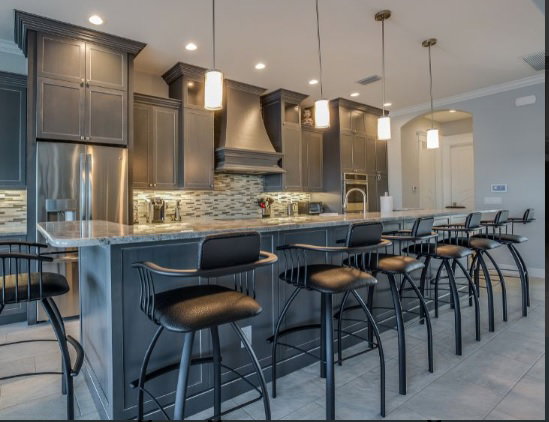
Maintaining complex religious dietary laws within a standard residential property requires immense daily effort and constant vigilance. For households strictly observing kosher or specific halal protocols, the physical architecture of a standard room is an active obstacle. The laws of Kashrut, for example, demand the absolute, uncompromising separation of meat and dairy products during every stage of storage, preparation, cooking, and cleanup. When you attempt to execute this within a layout designed for a single culinary process, the risk of accidental mixing is terribly high. You are forced to juggle separate sets of heavy dishes, wash pans in careful shifts, and constantly sterilise shared surfaces. A home should naturally support your deep cultural and religious convictions, not force you into a daily logistical struggle. True peace of mind requires a highly specific architectural response, engineering permanent, undeniable physical boundaries directly into the cabinetry.
The core requirement for strict dietary adherence is the absolute prevention of cross-contamination between specific food categories. This mandates the creation of two entirely distinct, fully equipped workstations within the same footprint. Each zone must operate completely independently of the other. The meat zone requires its own dedicated preparation counter, its own cooking surface, and its own sink, while the dairy zone must mirror this setup exactly. Using highly contrasting materials is an excellent way to enforce this separation visually; you might use a dark, honed granite for the meat counters and a bright, polished quartz for the dairy side. This immediate visual cue prevents children or guests from accidentally placing a contaminated spoon on the wrong surface, building compliance naturally into the visual language of the room.
Executing this complex separation within a standard footprint demands highly intelligent spatial planning. When planning a specialized
kitchen remodel in Connecticut, the plumbing infrastructure becomes the most critical element of the build. Two separate sinks demand dual water lines and completely independent drainage systems to ensure no backflow or shared standing water ever occurs. Furthermore, managing the cleanup process necessitates two entirely separate dishwashers. Installing these machines side-by-side or flanking the central island guarantees that meat and dairy plates are never washed in the same environment. This absolute physical separation of the cleaning process removes the heavy mental burden of managing complex sterilisation routines, allowing the family to clean up after large meals with total confidence and ease.
The storage of distinct cookware, plates, and utensils requires equally rigorous categorisation to prevent accidental mixing. Standard cupboards quickly become disorganised, leading to inevitable mistakes. The design must include dedicated, highly organised storage banks allocated specifically to each dietary category. Deep, heavy-duty pull-out drawers directly beneath the meat preparation zone should hold only the heavy cast-iron pans and knives used for those specific meals. Colour-coding the interior linings of these drawers offers an additional layer of security. Furthermore, double-oven configurations are absolutely essential, allowing the cook to roast meat and bake dairy-based desserts simultaneously without any shared ambient heat or airborne grease crossing paths.
Your home should actively support your cultural and religious practices, rather than forcing you into a daily struggle against the architecture. By engineering strict, visually distinct preparation zones, duplicate plumbing systems, and rigidly separated storage, you build an environment of absolute certainty. You remove the stress and anxiety of accidental cross-contamination entirely, creating a beautiful, highly functional space that respects your traditions and makes daily adherence completely effortless.
Conclusion
Standard layouts create severe logistical stress for households observing strict religious dietary laws that require the separation of ingredients. By engineering distinct, visually separate preparation zones, dual sinks, and duplicate dishwashers, the risk of accidental cross-contamination is entirely eliminated. This highly specific architectural planning guarantees absolute dietary compliance and deep peace of mind.
Call to Action
Eliminate the stress of managing complex dietary laws by building a home that actively supports your religious and cultural traditions. Contact our design specialists to plan a perfectly separated, highly functional layout.
Visit:
https://kitchentraditions.net/