🔹Description:
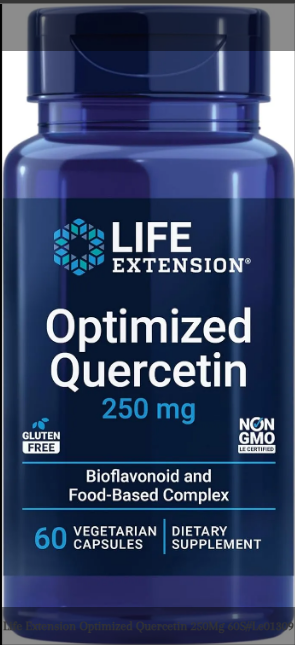
Quercetin is a naturally occurring plant flavonoid found in many fruits, vegetables, leaves, and grains. It is especially abundant in onions, apples, berries, grapes, citrus fruits, broccoli, and capers. Quercetin is valued for its strong antioxidant, anti-inflammatory, and immune-supportive properties. It has been widely studied for its role in supporting cardiovascular health, allergy balance, and metabolic wellness. Quercetin is also recognized for its potential to help regulate uric acid levels and reduce inflammatory responses linked to excess protein binding and allergic sensitivity.
🔹Nutritional Breakdown:
Quercetin is not a significant source of macronutrients, but it contains important bioactive properties, including:
✔Flavonoids: Powerful antioxidants that help neutralize free radicals and protect cells.
✔Polyphenols: Plant compounds that support healthy inflammation balance.
✔Anti-inflammatory Agents: May help calm tissue irritation and immune overreaction.
✔Enzyme-Modulating Compounds: May help influence pathways involved in uric acid production and histamine release.
🔹Potential Benefits:
✔Uric Acid Support:
Quercetin has been studied for its ability to help inhibit xanthine oxidase, an enzyme involved in uric acid production. This may support healthier uric acid levels and help reduce discomfort associated with uric acid buildup, such as gout-related joint irritation.
✔Protein Binding Support:
Quercetin may help stabilize cellular activity and support healthy protein interactions within the body. It may assist in reducing unwanted protein binding reactions that can contribute to inflammation, tissue stress, and metabolic imbalance.
✔Protein Allergy & Histamine Balance:
Quercetin is often referred to as a natural mast cell stabilizer, meaning it may help reduce histamine release. This can be beneficial for people experiencing allergic reactions to certain proteins, foods, or environmental triggers. It may help ease sneezing, itching, swelling, and immune hypersensitivity responses.
✔Anti-Inflammatory Support:
Quercetin may help reduce inflammation throughout the body, supporting joint comfort, cardiovascular wellness, and general recovery.
✔Immune System Support:
Its antioxidant and immune-balancing properties may help strengthen natural defenses while calming excessive immune reactions.
✔Heart Health:
Quercetin may help support healthy blood vessel function, circulation, and overall cardiovascular wellness.
✔Respiratory Support:
Some people use quercetin to help support lung health and seasonal breathing comfort, especially during allergy seasons.
🔹How to Use Quercetin:
✔Capsules or Tablets:
Quercetin is commonly available in capsule or tablet form. Follow the recommended dosage on the product label.
✔Powder Form:
Can be mixed into water, smoothies, or juice if provided in powdered form. Use according to instructions.
✔Combined Formulas:
Quercetin is often paired with bromelain or vitamin C to enhance absorption and immune support.
✔With Meals:
Taking quercetin with food may help improve comfort and absorption.
🔹Caution:
✔Pregnancy and Breastfeeding: Consult with a healthcare professional before use during pregnancy or breastfeeding.
✔Medication Interactions: Quercetin may interact with blood thinners, antibiotics, or certain medications. Consult a healthcare professional before starting supplementation.
✔Kidney Conditions: Individuals with kidney disorders should seek medical advice before use.
✔Dosage Guidance: Use only as directed on the label unless advised otherwise by a qualified healthcare professional.