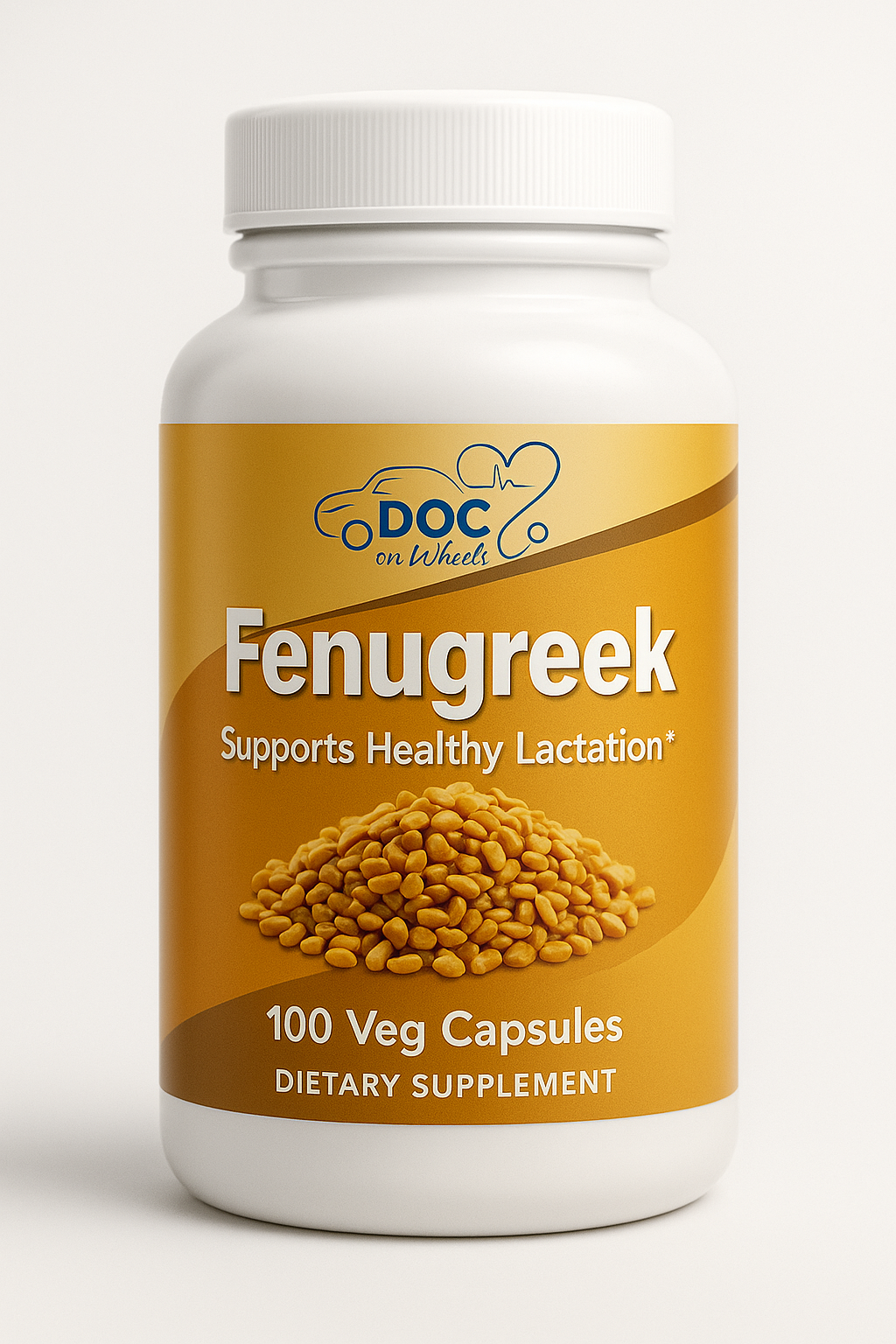
🔹Description:
Fenugreek seeds, derived from the plant Trigonella foenum-graecum, are small, golden-brown seeds with a distinctive bitter taste and a slightly nutty aroma. Fenugreek powder is made by grinding these seeds. Both forms are widely used in culinary applications and are known for their potential health benefits.
🔹Nutritional Breakdown:
✔ Proteins:
Fenugreek contains proteins, essential for building and repairing tissues in the body.
✔ Fiber:
Rich in soluble fiber, fenugreek aids digestion and helps regulate blood sugar levels.
✔ Minerals:
Fenugreek provides minerals such as iron, magnesium, manganese, and copper, contributing to overall health.
✔ Vitamins:
Fenugreek contains vitamins, including vitamin C (an antioxidant) and various B vitamins important for metabolism.
🔹Health Benefits:
1) Digestive Health:
The fiber content in fenugreek supports digestive health, alleviating constipation, and promoting regular bowel movements.
2) Blood Sugar Regulation:
Some studies suggest that fenugreek may help regulate blood sugar levels, beneficial for individuals with diabetes.
3) Heart Health:
Fenugreek’s fiber, antioxidants, and nutrients may contribute to heart health by helping manage cholesterol levels.
4) Anti-Inflammatory Properties:
Compounds in fenugreek exhibit potential anti-inflammatory effects, offering benefits for inflammatory conditions.
5) Galactagogue Properties:
Fenugreek seeds are commonly believed to have galactagogue effects, potentially stimulating the mammary glands and increasing breast milk production.
6) Phytoestrogens:
Fenugreek contains compounds with estrogenic properties, which may influence hormonal levels related to lactation.
🔹How to Use:
1) Fenugreek Seed Tea:
Prepare fenugreek seed tea by steeping a teaspoon of crushed seeds in hot water. Enjoy as a soothing beverage.
2) Culinary Use:
Add fenugreek seeds to curries, stews, lentil dishes, and pickles to enhance flavor. Fenugreek powder can be used similarly.
3) Fenugreek Powder in Cooking:
Use fenugreek powder as a spice in cooking. It adds a mild, nutty flavor to various dishes, including soups, sauces, and marinades.
4) Smoothies and Yogurt:
Mix fenugreek powder into smoothies, yogurt, or oatmeal for added nutrition and flavor.
5) Supplements:
Fenugreek supplements, available in capsule form, provide a standardized dosage. Follow recommended guidelines.
6) Topical Applications:
Fenugreek oil (extracted from the seeds) can be used topically for skin and hair care, offering potential benefits.
⚠️Caution:
✔ Pregnancy and Breastfeeding: Pregnant women should avoid excessive consumption of fenugreek, as it may stimulate uterine contractions. Consult a healthcare professional.
✔ Allergies: Individuals with legume allergies (chickpeas, peanuts) may be more prone to fenugreek allergies.
✔ Blood Sugar Levels: Monitor blood sugar levels, especially for individuals with diabetes incorporating fenugreek into their routine.
🌊Fenugreek seeds and powder are versatile additions to a well-balanced diet. While they offer potential health benefits, moderation is key, and it’s advisable to consult with a healthcare professional, especially for individuals with specific health concerns.